

Rock Pigeon
Columba livia is the introduced urban pigeon most often associated with buildings, ledges, parking structures, and gathering areas.
Species identification, roosting-site inspection, attractant reduction, physical exclusion, and site-matched deterrents for San Diego homes and businesses.
Call (619) 421 - 2101Pigeons can use a property for a quick landing, daytime rest, overnight roost, feeding stop, or active nest. Those behaviors create different pressure and require different responses. A few birds on a roof do not automatically mean that every ledge, courtyard, or opening needs the same product.
GC Termite Control evaluates residential and commercial properties throughout San Diego. We look at species clues, nesting status, architecture, food, water, shelter, entry routes, neighboring surfaces, and existing evidence before recommending cleanup, exclusion, deterrents, or monitoring.
The objective is practical control of the conditions supporting activity—not a broad promise that one device will permanently remove every bird.
Tell us where pigeons are landing, roosting, or nesting.
Call (619) 421 - 2101 →Appearance, behavior, bands, habitat, and nesting evidence help distinguish the familiar urban Rock Pigeon from native or owned birds.
Columba livia is the introduced urban pigeon most often associated with buildings, ledges, parking structures, and gathering areas.
Many are blue-gray with two dark wing bars and an iridescent neck, but domestic ancestry produces brown, white, black, and mottled birds too.
Pigeons often feed and loaf in groups. Reliable shelter, landing room, food, and water encourage repeated use of the same property.
Durable improvement usually combines attractant reduction with correctly fitted exclusion or surface-specific deterrents and routine inspection.
Not every gray bird has the same status. Identification comes before exclusion, handling, or any other control recommendation.
The primary species addressed on this page. Look for a sturdy body, small head, rounded chest, broad tail, and highly variable plumage. Urban birds commonly use architecture like the cliffs used by their wild ancestors.
California's native pigeon is generally larger and may show a pale neck crescent, yellow bill, and yellow feet. Its legal status differs from a feral Rock Pigeon, so identification matters before any work.
Mourning and White-winged Doves can use developed areas and may be confused with smaller pigeons. Color alone is not enough to determine species or what rules apply.
A leg band can indicate a racing, homing, or fancy pigeon rather than an unowned feral bird. California separately protects registered racing pigeons, making the band and identity important.
Pigeons can breed repeatedly where dependable food and shelter are available. These ranges explain the nesting cycle; actual conditions and occupancy must be observed.
Pairs choose sheltered, reusable surfaces such as ledges, beams, eaves, attics, signs, or bridge-like structures. The nest is usually a loose platform of twigs, grass, and accumulated material.
A clutch commonly contains one to three eggs. Incubation is about 18 days, with both adults contributing. Inspection must account for eggs before access is blocked.
Young pigeons, called squabs, commonly remain in the nest for 25 to 32 days. Both parents produce crop milk and continue caring for dependent young.
Pigeons may produce one to six broods and reuse the same platform where conditions remain favorable. Development and breeding frequency vary with food, shelter, climate, and individual birds.
Life-history ranges: Cornell Lab of Ornithology Rock Pigeon guide .
Recurring activity comes from usable surfaces and resources—not an invisible pheromone mark. Identifying the behavior clarifies what must change.
Short visits to a roof edge, rail, or sign may reflect a convenient observation point rather than an established roost. Monitoring identifies whether the pattern is growing.
Birds resting for extended periods have found a comfortable landing surface near food, water, or other flock activity. Droppings begin to map the preferred zone.
Repeated evening arrival and morning departure indicate dependable shelter. Eaves, canopies, parking structures, and protected beams are common examples.
Spilled seed, grain, pet food, dining debris, open waste, and accessible water can keep birds returning even after a landing surface is treated.
Twigs, eggs, squabs, repeated adult visits, or concentrated nest debris require an occupancy check before cleanup, closure, or deterrent installation.
Occasional landing or a small amount of fresh evidence. Correct nearby attractants, inspect the surface, and monitor before selecting a deterrent.
Recurring loafing or roosting with established droppings and dependable access. The plan normally combines attractant correction with complete surface protection.
Active nesting, overnight shelter, or long-established use of several connected areas. More complete exclusion, careful sequencing, cleanup planning, and follow-up may be needed.
The location and amount of evidence matter. Inspection should distinguish a limited surface issue from connected roosting, nesting, drainage, or operational concerns.
Repeated use can foul walking surfaces, walls, signs, equipment, vehicles, and finished ledges. Impact depends on the surface, accumulation, moisture, and maintenance.
Wet droppings or loose nesting material can create avoidable concerns near stairs, entrances, walkways, balconies, and service areas.
Twigs, feathers, droppings, and other debris can collect around gutters, roof drains, and sheltered recesses and should be evaluated during inspection.
Bird use near vents, air intakes, rooftop equipment, signs, or utility areas can complicate maintenance and requires a design that preserves the equipment's function.
Calling, wing noise, and regular flock movement may be noticeable to occupants, customers, staff, or neighboring properties without proving a large colony.
Mites or other arthropods may be associated with bird nests and can wander after birds leave. Identification should precede any separate pest recommendation.
A ledge treatment can underperform when food, water, protected voids, or alternate landing surfaces remain available nearby.
Broad, level surfaces provide landing room and a view of feeding areas.
Protected openings can provide weather shelter and interior access.
Recesses, rails, beams, and nearby food can support repeated daytime use.
Overhead cover and narrow structural shelves can become dependable roosts.
Open framing, overhead ledges, waste, and regular deliveries can create several connected pressure points.
Outdoor dining debris, spilled grain, overflowing containers, leaks, and standing water reinforce site use.
Feral Rock Pigeons are introduced birds outside federal Migratory Bird Treaty Act protection. That fact does not turn every bird, nest, location, or control method into an unrestricted situation.
Native pigeons and doves have different protections, while registered racing pigeons receive separate California protection. California nest, humane-handling, method-of-take, property, local, and product-label requirements may also affect proposed work.
This page provides service-planning information, not legal advice or a promise that a particular method is authorized.
Review the USFWS introduced-bird guidance Read California Fish and Game Code section 3503Physical systems work by removing access or making a specific surface unsuitable. Installation quality, complete coverage, neighboring surfaces, and maintenance shape the result.
Properly selected and tensioned barriers can fully exclude pigeons from courtyards, canopies, open bays, attics, vents, and structural recesses.
Plan around: Perimeters, seams, access points, ventilation, fire requirements, and mesh condition must be maintained so birds cannot enter or become trapped.
These systems can discourage landing on compatible ledges, signs, rails, and parapets when the entire usable surface is protected.
Plan around: Gaps, nearby alternate ledges, incorrect width, or accumulated debris can reduce performance or simply shift activity.
Low-profile wires can interfere with stable footing on suitable narrow ledges, especially where pressure is not yet severe.
Plan around: Anchor spacing, tension, surface condition, neighboring landing areas, and ongoing inspection determine whether wire is appropriate.
A fitted slope can convert a broad horizontal ledge into a steep surface that does not support comfortable landing or nesting.
Plan around: Panel edges, drainage, attachment, weather exposure, and adjoining surfaces must be considered in the design.
Professionally selected tracks can condition birds away from compatible architectural surfaces through an aversive contact stimulus.
Plan around: Use is site-specific. Tracks require correct installation, warning and access considerations, power checks, cleaning, and maintenance.
A currently registered tactile or optical product may sometimes supplement a broader plan where the label and surface support its use.
Plan around: Compatibility, residue, dirt, staining, welfare, access, maintenance, and current label directions must be reviewed. Visual or sound tools may lose effect through habituation.
Seeing a pigeon or a small fresh dropping is not the same exposure scenario as disturbing a large, dry accumulation in an enclosed or poorly ventilated area. Histoplasmosis concerns involve inhaling environmental fungal spores from contaminated material or soil; Cryptococcus can occur in bird-dropping environments; and psittacosis is an uncommon infection that can involve infected birds and dried secretions or droppings. None of these topics means every pigeon or dropping is infectious.
Cleanup planning should consider the amount and condition of material, location, airflow, nearby occupants, surface, access, and the person performing the work. Dry sweeping, dry shoveling, or uncontrolled pressure washing can put dust into the air and should be avoided.
Controlled wetting or other suitable dust suppression, restricted access, hazard-appropriate protective equipment, and site-specific disposal may be needed. Large, enclosed, or high-risk accumulations may require a specialized remediation provider; GC Termite Control does not represent ordinary bird-control service as hazardous-waste remediation.
Anyone concerned about a significant exposure, respiratory symptoms, or individual medical risk should contact a qualified healthcare provider. Pest-control personnel do not diagnose or treat illness.
A complete plan connects what the birds are doing with the surfaces and resources that make the property useful to them.
Photograph the birds and evidence, identify likely species, note any bands, and check for protected lookalikes.
Locate landing, feeding, loafing, roosting, nesting, entry, droppings, food, water, and alternate surfaces.
Check for birds, eggs, dependent young, access limits, and cleanup conditions before deciding what can proceed.
Reduce relevant attractants, complete appropriate bird-specific cleanup, and install the selected exclusion or deterrent.
Inspect the system, watch adjacent surfaces, and adjust uncovered gaps or changing pressure when needed.
Prevention supports exclusion. It does not replace a barrier where birds already have dependable structural access.
Discourage intentional feeding and promptly clean spilled birdseed, grain, pet food, and outdoor dining debris.
Use fitted lids and manage overflowing trash, food-handling waste, and accessible compost.
Address leaks, standing water, and poorly draining bird-use areas when practical.
Remove reusable twigs and nesting material only after occupancy and applicable requirements are resolved.
Screen voids, vents, eaves, and recesses only after confirming that birds and dependent young will not be trapped.
Inspect netting, mesh, spikes, wires, slopes, tracks, seams, anchors, and nearby alternate surfaces.
Rock Pigeons are introduced and outside federal MBTA protection, but that does not remove California, humane-handling, method, property, local, or product-label requirements. Native lookalikes have different status.
Use body shape, size, plumage pattern, habitat, behavior, and any leg band together. Variable pigeon colors make a clear photograph more useful than color alone.
Do not block access or seal birds and dependent young inside. Species, ownership, nest contents, proposed work, and current requirements must be reviewed before action.
Reliable food, water, shelter, landing room, and reusable nesting surfaces reward repeated visits. Removing a few birds does not correct those property conditions.
The appropriate method depends on behavior, pressure, surface width, architecture, access, appearance, nearby alternatives, and maintenance. Netting, spikes, wire, slopes, tracks, and screening solve different problems.
Avoid creating dry airborne dust. Cleanup and PPE depend on accumulation and exposure, while follow-up checks the installed system and nearby surfaces for renewed activity.
Use current sources when a project involves uncertain identification, a banded bird, accumulated droppings, or a registered repellent.
Federal background confirming that Rock Pigeons are outside MBTA protection while other laws may still apply.
California Department of Fish and WildlifeIdentification and conservation information for California's native pigeon.
California Legislative InformationCalifornia law addressing registered racing pigeons.
CDCExposure-reduction information for environments where bird or bat droppings have accumulated.
CDC/NIOSHWork-practice guidance for reducing airborne dust during assessment and cleanup.
Cornell Lab of OrnithologyIdentification, nesting, development, and brood information used in this guide.
U.S. Environmental Protection AgencyGeneral label-compliance guidance when a registered repellent product is considered.
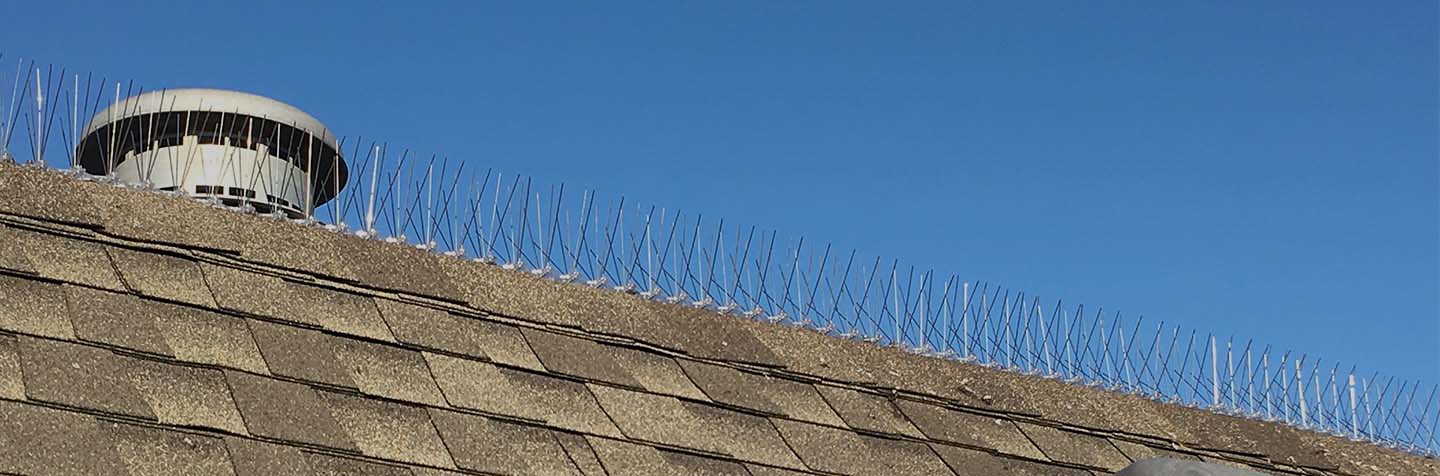
Tell us where the birds land, feed, roost, nest, or enter. We can evaluate the affected surfaces, pressure, cleanup conditions, attractants, and appropriate exclusion or deterrent options.