

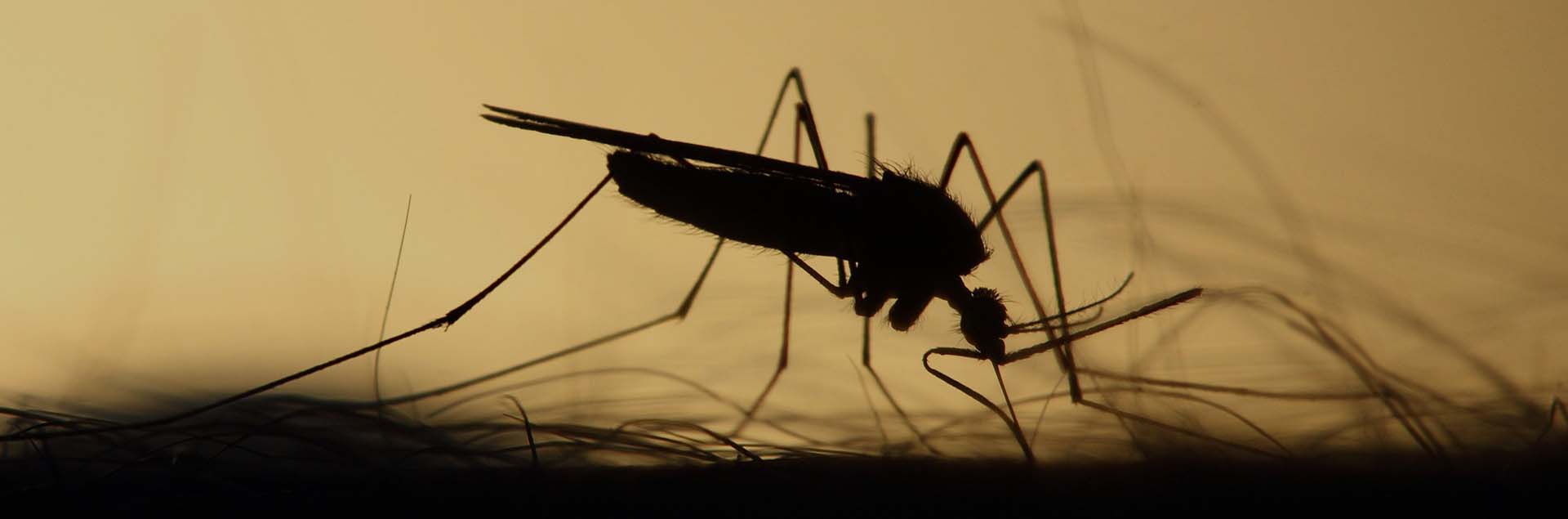
Females Take Blood Meals
Males do not bite. Adult females take blood meals to develop eggs, then seek suitable egg-laying sites.
Target container-breeding mosquitoes with professionally serviced In2Care® stations, source reduction, preventive water treatment, and focused adult control.
Call (619) 421 - 2101Mosquitoes can interrupt yards, entrances, work areas, and outdoor events. Effective control looks beyond biting adults to find aquatic development and resting sites.
GC Termite Control's primary treatment is a professionally serviced In2Care Mosquito Station program. Inspection may also support source reduction, preventive water treatment, targeted residual liquid, or fogging for short-term adult reduction.
Vegetation, irrigation, neighboring sources, weather, and access shape the recommendation. The goal is a practical, cost-conscious program with monitoring—not instant or permanent elimination.
Ready to map the mosquito activity around your property?
Call (619) 421 - 2101 →Males do not bite. Adult females take blood meals to develop eggs, then seek suitable egg-laying sites.
Egg placement varies by species, but mosquito larvae and pupae develop in water before flying adults emerge.
Local invasive Aedes, often called ankle biters, can use very small indoor or outdoor containers and frequently bite during the day.
Local Culex mosquitoes are important West Nile virus vectors and commonly become active from evening into the night.
Development and adult survival vary by species, temperature, water, and food. In warm conditions, container-breeding Aedes can move from egg to adult rapidly, which is why weekly water checks matter.
Some mosquitoes lay eggs on the water surface. Aedes commonly attach eggs to container walls above the waterline, where they can survive dry periods.
Larvae hatch when conditions are suitable and live in water, feeding and molting as they grow. These active “wigglers” can often be seen near the surface.
Pupae also live in water. They do not feed, but the adult mosquito develops inside before emerging at the water surface.
After emerging and mating, females seek hosts and egg-laying sites. Rain or irrigation can restart development in overlooked containers.
The station uses the egg-laying behavior of container-breeding Aedes and Culex mosquitoes to reach small breeding sources that can be difficult to find directly.
A professionally placed station uses water and an odor lure to attract an egg-laying female in a continuously shaded outdoor location.
She contacts treated gauze carrying the growth regulator pyriproxyfen and the insect-pathogenic fungus Beauveria bassiana strain GHA.
The mosquito is not trapped. She can carry tiny amounts of pyriproxyfen to other container water as she divides eggs among breeding sites.
Pyriproxyfen disrupts development so immature mosquitoes in the station and contaminated breeding water do not complete emergence as adults.
The fungal adulticide works slowly. The current EPA label states that contaminated Aedes and Culex adults die within nine days.
Adults leave after contact, so dead mosquitoes generally are not found inside. Visible larvae can occur, but the growth regulator prevents their emergence as adults.
Station quantity and service frequency depend on the label, species, weather, property size, and site findings. In2Care does not replace water-source reduction. Review the EPA-approved In2Mix label.
Inspection determines whether these treatments belong beside an In2Care program. None substitutes for finding and correcting preventable standing water.
A label-permitted residual may target shaded vegetation, leaf undersides, protected eaves, or areas beneath decks. Adults must land on the dried surface.
Product, surface, rain, species, and pressure affect performance. Applications avoid blooms, edible plants, water, toys, and prohibited sites.
Fogging uses fine airborne droplets to contact active flying mosquitoes. It can provide rapid, temporary reduction when timing and weather are suitable.
It has little or no residual effect and does not control eggs, larvae, or pupae. It is not long-term prevention or an automatic misting system.
When water cannot be dumped, drained, covered, or maintained, an EPA-registered larvicide may fit a label-permitted site. Formulation and reapplication depend on the label.
Bti controls feeding larvae, not adults. Growth regulators such as methoprene or pyriproxyfen prevent adult emergence.
Invasive Aedes can use about one-quarter inch of water. Small containers close to people can be more important than a large, visible body of water.
Inspect plant pots and saucers, bromeliads, vases, lucky bamboo, pet bowls, birdbaths, and even a forgotten cup indoors.
Buckets, toys, open trash or recycling lids, yard decorations, watering cans, and clutter can collect irrigation or rainwater.
Tires, folded tarps, wheelbarrows, boats, outdoor furniture, irrigation boxes, and pool covers can conceal shallow standing water.
Unscreened rain barrels, clogged gutters, downspouts, yard drains, sump areas, puddles, and low soil can retain water long enough for development.
Green pools, neglected spas, ornamental ponds, fountains, and poorly maintained circulation systems can become productive breeding sites.
Tree holes, dense plant centers, irrigation puddles, leaking fixtures, and other protected depressions can refill repeatedly.
Mosquitoes do not build colonies around structures. Immature stages develop in water while adults rest elsewhere, so inspection maps both zones.
Adult resting areas help determine where targeted residual treatment may be useful. They are not necessarily the places where larvae are developing.
Thick vegetation, tall grass, and protected groundcover hold shade and humidity close to the property.
Trees and bushes provide protected surfaces where adults can rest away from direct sun and drying wind.
Undersides of structures, shaded edges, and protected corners can shelter adults close to entrances and seating.
Open or frequently accessed utility spaces can combine shade, stored materials, and nearby human activity.
Furniture undersides, covers, and shaded recesses can provide resting surfaces near areas where people spend time.
Leaking irrigation, drains, fence lines, and vegetation beside buildings can create sheltered, humid routes.
A weekly property check can interrupt development before adults emerge. Combine water management with professional treatment instead of relying on spray alone.
Mosquitofish, Gambusia affinis, consume mosquito larvae and may help in suitable permanent artificial water. They are an informational option available through San Diego County, not a substitute for inspection or a treatment that belongs in every container.
Find County mosquitofish guidance →County guidance may allow mosquitofish in artificial ponds, fountains, unmaintained green pools, or animal troughs that can support them.
Do not place them in birdbaths or small containers, and never release them into streams, lakes, natural ponds, or other waterways.
Repair window and sliding-door screens, install practical door sweeps, and keep unscreened openings closed. These steps reduce indoor exposure but do not control the outdoor population.
Wear light-colored long sleeves and pants when practical. Patio air movement can also make a seating area less favorable, but it does not remove breeding sources.
Select a repellent for the person and activity, then follow its label. Because invasive Aedes bite by day, protection should not focus only on dawn and dusk.
The selected tools should respond to the mosquito stages and property conditions actually found—not a fixed treatment package.
Review bite timing, appearance, vegetation, water, access, and species clues around the home or business.
Separate aquatic breeding sources from shaded adult resting areas and note sources beyond direct control.
Remove, scrub, cover, maintain, or directly treat water according to its use and the selected product label.
Install In2Care stations and add residual, fogging, or direct larval treatment only when findings warrant it.
Maintain stations, monitor evidence, reassess water and vegetation, and adapt recommendations as conditions change.
Rain, heat, irrigation, plant growth, new water, and neighboring sources can change activity after service. Continued source reduction and monitoring remain important.
Not every mosquito species spreads disease, and the presence of a capable vector does not mean that an individual mosquito is infected. Current public-health information matters more than a generic disease list.
West Nile is California's most common serious mosquito-borne disease. Local Culex can acquire it from infected birds and transmit it to people or animals. Risk changes by season and location.
Aedes aegypti and Aedes albopictus can transmit these viruses under the right conditions, but they are not all commonly transmitted in San Diego. Most local dengue cases have been travel-associated, although local acquisition has occurred.
An egg-laying Aedes or Culex female contacts treated gauze, leaves the station, and can transfer pyriproxyfen to other small breeding sources. The growth regulator stops immature development, while Beauveria bassiana slowly kills the exposed adult.
Water and an odor lure attract egg-laying females. The station is designed so larvae may be visible before pyriproxyfen prevents them from emerging as adults. Do not open, empty, move, or alter a professionally placed station.
The current product label, target species, weather, station activity, and property conditions determine service and water checks. Hot or dry conditions can require additional attention, so one universal interval is not promised.
Residual liquid treatment remains on permitted surfaces where resting mosquitoes may land. Fogging uses airborne droplets to contact active flying adults and normally provides short-term knockdown with little or no residual activity.
Invasive Aedes can use approximately one-quarter inch of water. Plant saucers, toy pockets, caps, folds in tarps, drains, and indoor containers can matter even when no pool or pond is nearby.
Correct circulation, filtration, sanitation, or drainage where possible. A label-approved larvicide or County-guided mosquitofish may fit certain artificial water bodies, but the proper option depends on the site's purpose, size, wildlife, and applicable directions.
GC Termite Control can inspect water and resting sites, install a professionally serviced In2Care program, and select supporting mosquito treatments when the evidence warrants them.