



Egg
Adult females lay eggs in protected locations. Once the eggs hatch, the ticks enter the larval stage.
Protect your loved ones and pets with professional tick identification, targeted treatment, habitat management, and follow-up.
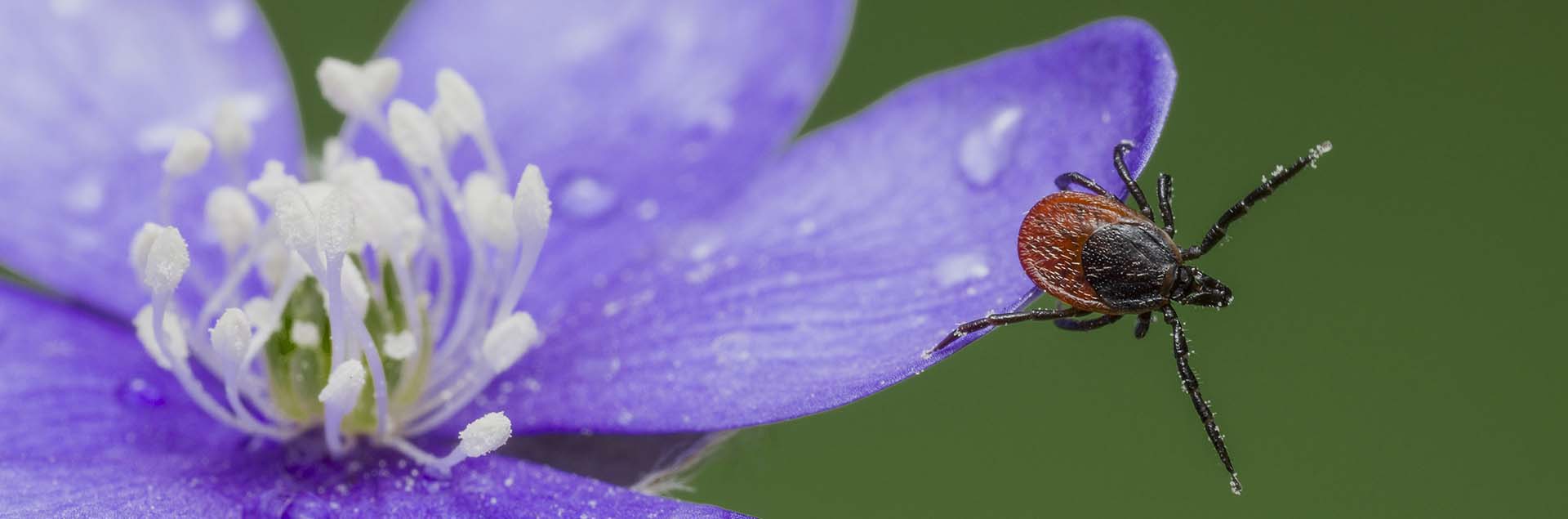
Call (619) 421 - 2101Adult ticks are often between 3 and 5 millimeters long, although their size varies by species and whether they have recently fed. Ticks are external parasites that feed on blood from people, pets, wildlife, and other animals. They occur around the world and many species thrive in warm, humid environments.
Ticks are arachnids in the order Ixodida, not a single species with one scientific name. Their ancient lineage extends back more than 100 million years, and the species found today differ in preferred habitats, hosts, lifecycle length, and the pathogens they may transmit.
Concerned about ticks around your property?
Call (619) 421 - 2101 →Lifecycle length varies by species. Some ticks take two to three years to complete these stages, but that does not mean professional control automatically takes the same amount of time.
Adult females lay eggs in protected locations. Once the eggs hatch, the ticks enter the larval stage.
Six-legged larvae commonly seek small hosts such as rodents, birds, and lizards for a blood meal before molting.
Eight-legged nymphs seek another host. Their small size can make them difficult to notice on people and animals.
Adult ticks often feed on larger hosts, including pets and people, before mating and continuing the lifecycle.
Ticks are important pests because infected ticks can transmit disease-causing bacteria, viruses, or parasites. Risk varies by tick species and geographic area; this national list does not mean every disease is commonly transmitted in San Diego.
Ticks commonly wait for a suitable host in humid, shaded, or overgrown areas around a property. Reducing these conditions can make the landscape less favorable to them.
Larvae and nymphs commonly feed on smaller hosts such as rodents, birds, and lizards, while adults are more often noticed on pets and people.
People and pets can carry ticks inside. Most outdoor tick species do not establish indoor populations, but brown dog ticks are an important exception and can infest homes and kennels. Identification helps determine the appropriate response.
Effective control depends on the tick species, lifecycle stage, habitat, host activity, and the extent of the infestation. A long lifecycle does not create a universal treatment timeline.
Inspect activity areas, identify the pest when possible, and determine where ticks and potential hosts are concentrated.
Reduce leaf litter, tall grass, dense groundcover, and other sheltered conditions that support tick activity.
When appropriate, apply a labeled pest-control product to the correct areas based on tick biology and property conditions.
Review nearby host activity and monitor results. Some properties may also need separate rodent- or bird-control solutions to help prevent the problem from persisting.
Opossums and helmeted guineafowl are sometimes described as natural tick predators. Their presence should not replace property maintenance, host management, monitoring, or properly selected professional treatment.
GC Termite Control offers affordable general pest control services and prompt assistance for tick activity around San Diego properties.